
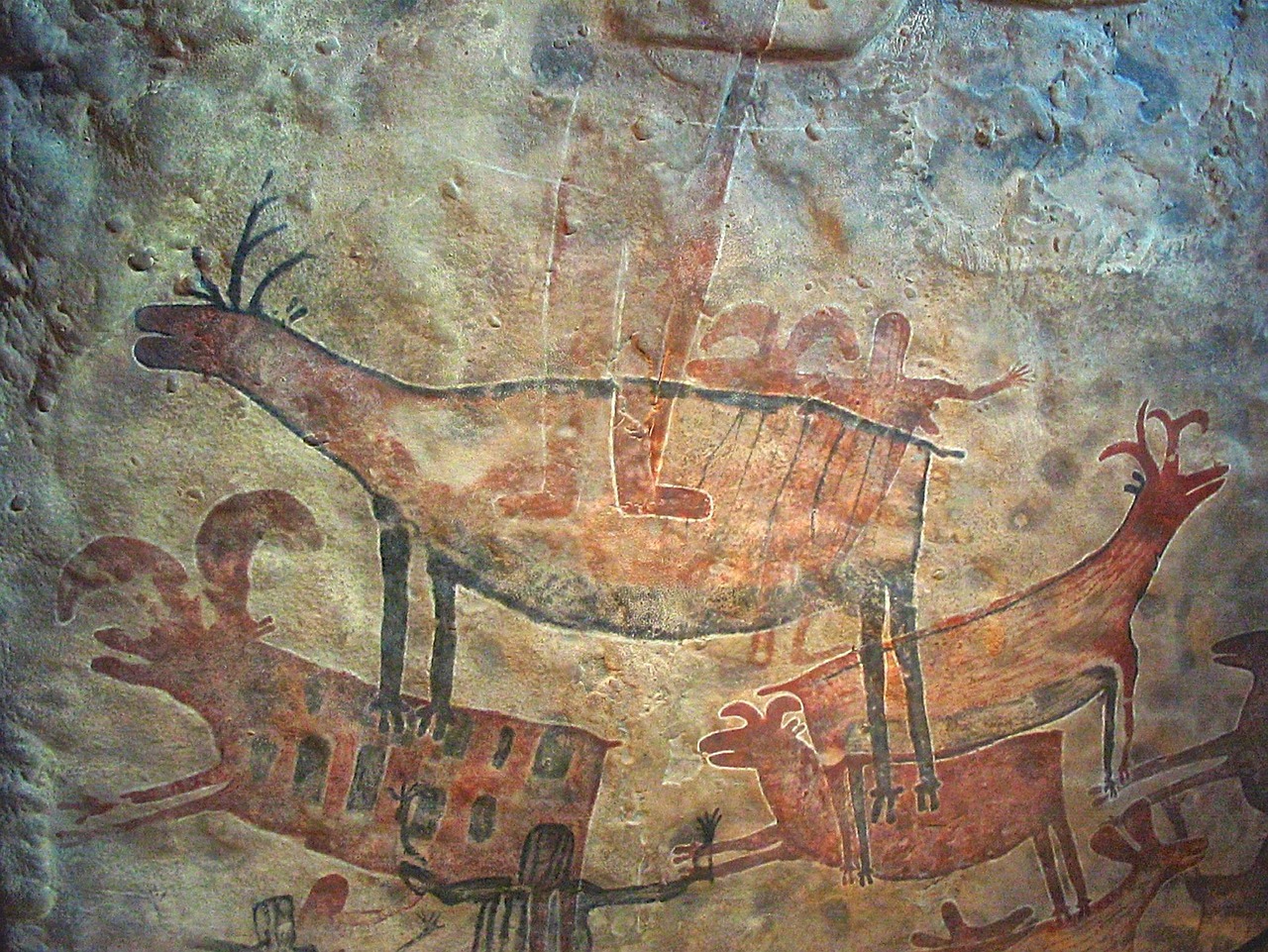
Anthropology began as a study of cultures—particularly ethnic and tribal communities—mainly to aid administration. Today, it has evolved into a complex science of humankind, encompassing palaeontology, physical and social anthropology, and intersecting with fields such as history, archaeology, sociology, genetics, forensic science, economics, political science, medicine, and nutrition. Its vast scope makes it both profound and multifaceted.
In an era dominated by IT, consumerism, and commercialization, education and research must evolve to remain relevant. Anthropology too must revisit and revise its focus, content, and outreach to adapt to contemporary demands. Its inquiry should now centre on mainstream society, using ethnographic methods not merely to evoke wonder but to uncover hidden dimensions of social life—generating knowledge that is truthful and relevant.
Keith Hart emphasizes that anthropologists possess deep insights into human lives yet often hesitate to share this knowledge beyond academia. The discipline must move beyond specialization and academic isolation to engage actively with global society. Anthropology’s progress depends on redefining its conceptual framework—challenging existing assumptions and identifying new “key words” that capture emerging realities.
A modern anthropology of connections rejects disciplinary boundaries. Its strength lies not in isolation but in its ability to interpret relationships across systems. Understanding today’s interconnected world requires transcending traditional disciplines, possibly reimagining anthropology itself.
Digital Anthropology, or the study of human interaction with digital-era technology, reflects this evolution. Known variously as techno-anthropology, digital ethnography, cyber anthropology, and virtual anthropology, it explores reciprocal relations between humans and computer-generated realities—transformations capable of reshaping humanity itself.
Case Study: Anthropology in Business
Johanna Faigelman, CEO of Human Branding, critiques traditional market research for its superficiality. As a cultural anthropologist, she uses ethnographic insight to decode human behavior—making innovation predictive rather than reactive. She argues that successful products must integrate human-centric insights, business needs, and socio-cultural factors.
Anthropological research helps businesses uncover unmet needs, understand cultural differences, and anticipate trends across industries—from pharmaceuticals to food services, automotive, and finance. Within organizations, it enhances HR and management practices, fostering cross-generational understanding and improving communication.
The Core Tools of Anthropology
Anthropology’s key principles—cultural relativism, ethnography, comparison, and context—equip practitioners to explore human diversity without judgment. Cultural relativism serves as a methodological tool enabling understanding without endorsement. As Clifford Geertz noted, “you don’t have to be one to know one.”
Ethnography, or fieldwork, remains central. Unlike interview-based sociology, anthropology relies on participant observation, enabling researchers to access subtle, often invisible, aspects of social life. This trust-based approach reveals deeper truths inaccessible through structured methods.
Comparative analysis stimulates intellectual and moral imagination, offering models of peaceful coexistence, sustainability, and equality that can inspire policy and reform. Neutral, comparative inquiry often yields insights more valuable for addressing global issues than applied research alone.
Anthropologists’ fieldwork makes the invisible visible—whether in marginalized voices, informal networks, or unexpected social patterns. Their contextual understanding provides a reliable foundation for policy and reform, highlighting that culture is activated between minds, not contained within them.
To truly understand people, anthropologists must observe actions as well as words, situating behavior within broader social contexts. This relational perspective—seeing society as a web of connections—remains the discipline’s enduring strength.
In our increasingly globalized world, anthropology’s insights are more essential than ever. It fosters understanding across diverse human contexts—migratory, touristic, or systemic—enhancing relationships and communication in every sphere of life.
The discipline’s future lies in strengthening research methodologies, building interdisciplinary platforms, and taking pride in its unique skills—sharing them widely to illuminate the human condition in all its complexity.