
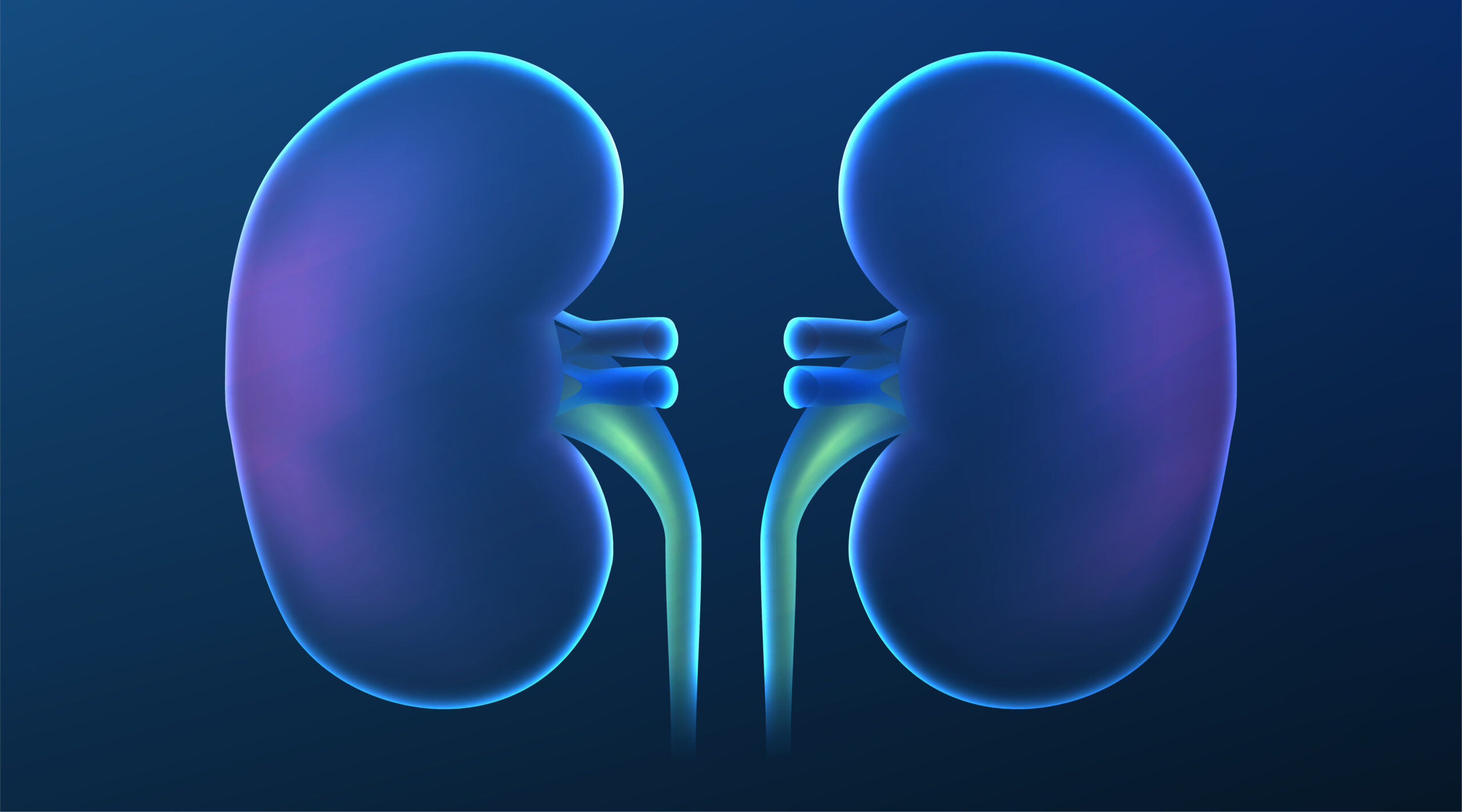
Along with major non-communicable diseases such as cancer and heart disease, the World Health Organization (WHO) has now decided to focus global health attention on Chronic Kidney Disease (CKD), which is becoming endemic in many countries.
This renewed focus is expected to encourage early screening and detection, better prevention strategies, and improved access to treatment for millions of people worldwide.
According to the renowned medical journal The Lancet, kidney-related diseases and deaths are rising globally. More than 788 million adults are now living with chronic kidney disease—a number that has doubled since 1990. CKD claimed 1.5 million lives in 2023, and nearly 12% of heart-related deaths worldwide are linked to chronic kidney disease.
CKD: The Silent Killer
While deaths due to stroke and heart disease are declining in many regions, CKD-related deaths are increasing almost everywhere. Chronic kidney disease is often called a silent killer because symptoms usually appear only when the disease has progressed to an advanced and irreversible stage.
India ranks second globally, after China, in the number of CKD patients, with nearly 138 million adults affected. Unfortunately, dialysis and kidney replacement therapies remain out of reach for many poor patients, making early detection and prevention even more critical.
Early screening, lifestyle changes, and timely medication can significantly slow disease progression and potentially save millions of lives.
Global and Economic Burden of CKD
Chronic kidney disease affects more than 850 million people worldwide and is projected to become the fifth leading cause of years of life lost by 2040. The growing CKD epidemic has placed a major economic strain not only on developing nations but also on low- and middle-income countries.
While economically advanced countries can provide treatments such as renal replacement therapy, poorer nations struggle to offer even basic care.
In India alone, nearly 210,000 new CKD cases are diagnosed every year.
Dialysis and Transplant Challenges in India
When kidney replacement therapy becomes necessary, hemodialysis is the most commonly used treatment. Dialysis facilities are now available in many parts of India. However, the rapidly increasing number of patients has led to overburdened centers, often compromising quality of care.
A kidney transplant is considered the best treatment option, but it requires a willing and compatible donor, proper human leukocyte antigen (HLA) matching, and successful cross-matching. This process is long, complex, and often not patient-friendly, leading to extended waiting periods.
The cost of CKD treatment is extremely high. In public sector hospitals, dialysis may cost around ₹2,500 per session, while in corporate hospitals the cost can be double. Insurance schemes frequently fall short—some cover only a limited number of dialysis sessions per month, others partially reimburse costs, and many do not cover essential medications.
Because CKD is not adequately included in non-communicable disease initiatives, many patients are deprived of proper care. Alarmingly, nearly two-thirds of CKD patients die without receiving treatment. Integrating CKD management into existing government health programs is urgently needed.
Government Efforts and Gaps
The Indian government has initiated a National Dialysis Mission across 630 districts, which may improve access to treatment to some extent. However, much more needs to be done.
Providing dialysis alone is not enough. Services must reach the most vulnerable populations, especially those in remote and inaccessible regions, and must maintain high quality while ensuring that societal and financial costs are adequately subsidized.
Understanding Chronic Kidney Disease
Chronic kidney disease involves a gradual loss of kidney function. Healthy kidneys filter waste and excess fluids from the blood, which are excreted through urine. As CKD advances, dangerous levels of fluids, electrolytes, and waste products can build up in the body.
In the early stages, CKD often causes few or no symptoms, making early diagnosis difficult. Many patients remain unaware of the condition until it reaches an advanced stage.
If untreated, CKD can progress to end-stage kidney failure, which is fatal without dialysis or a kidney transplant.
Symptoms of Advanced CKD
Depending on severity, loss of kidney function can lead to, nausea and vomiting, loss of appetite, fatigue and weakness, sleep disturbances, changes in urination, reduced mental sharpness, muscle cramps, swelling of feet and ankles, dry, itchy skin, high blood pressure (hypertension), shortness of breath due to fluid in the lungs or chest pain caused by fluid accumulation around the heart
In most cases, these symptoms appear only after irreversible kidney damage has occurred, highlighting the critical need for early screening and prevention.