
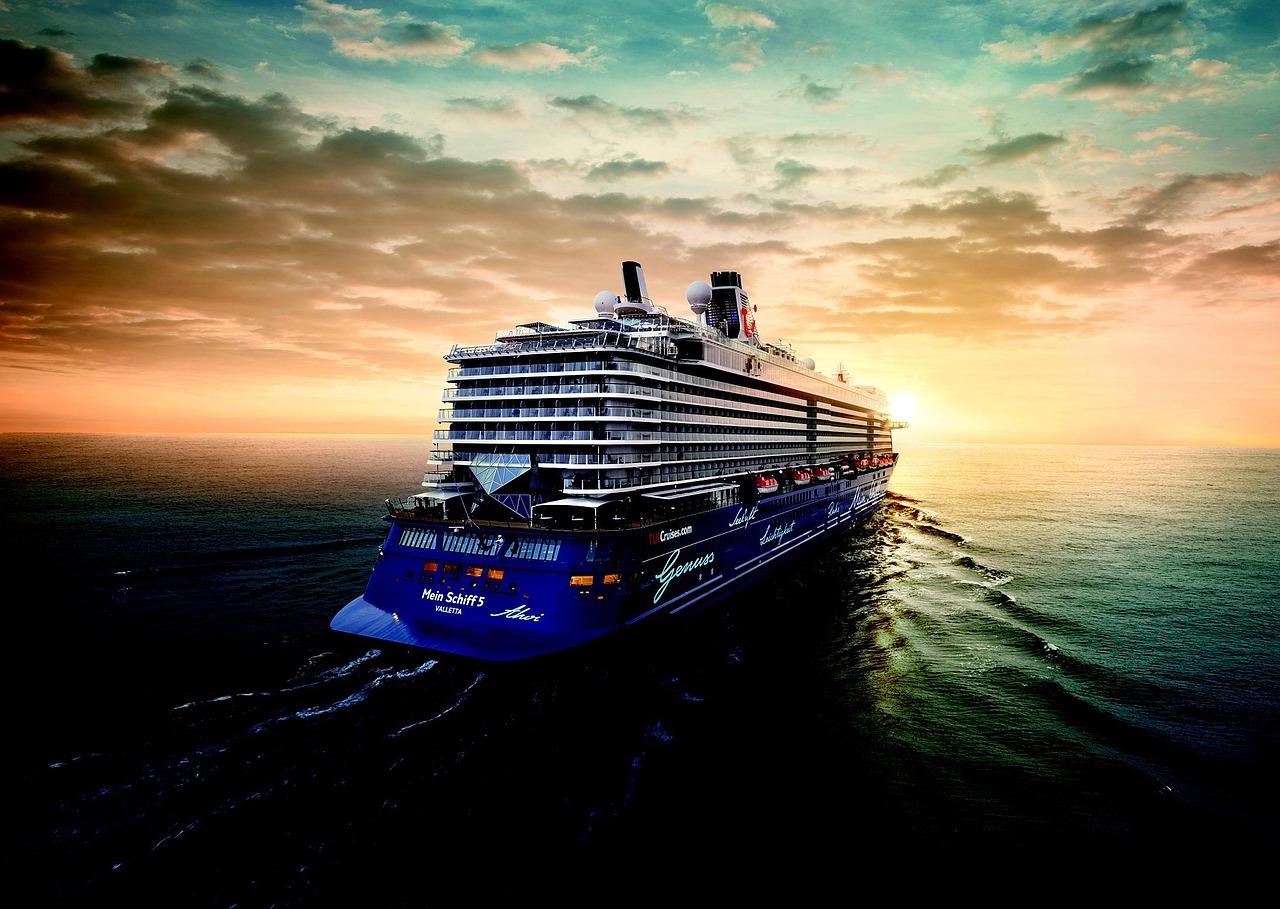
India plans to have a growing prominence in global cruise tourism having potential to become a leading hub in Asia.
The Bharat Cruise Mission under the overarching Maritime Amrit Kaal Vision 2047 has ambitious plans to take advantage of India’s numerous waterways to make it a leader in cruise tourism
Vijay Kumar, Secretary, Ministry of Ports, Shipping and Waterways, recently speaking at Maritime Week in Mumbai. has emphasised that cruise tourism is a major growth pillar under the Maritime Amrit Kaal Vision 2047, which aims to place India among the top 10 global cruise destinations by 2047.
“The vision outlines the development of six major international cruise hubs — at Mumbai, Goa, Kochi, Chennai, New Mangalore and Visakhapatnam, along with 35 smaller cruise terminals and jetties across coastal and inland waterways. The goal is to make India one of the top 10 cruise destinations globally, increasing annual cruise passenger numbers from the current half a million to five million by 2047”.
Digital and procedural reforms have been put in place to make cruise operations seamless,he adds.
The customs and immigration procedures have been simplified and rationalized port tariffs for passenger vessels across all Indian Cruise Ports have been introduced.
Inland nearly 20,000 km of navigable waterways have been identified by the government.
River cruise passengers are also projected to reach 1 million by 2027 and 1.5 million by 2029. Further, the operational river cruise terminals are poised to increase from 124 to over 200.
The Shipping Ministry is working with the Ministry of Tourism and state governments to ensure that port cities and nearby destinations offer high-quality visitor experiences.
There is need for building a modern, sustainable, and globally competitive cruise ecosystem.
Advisor to Indian Ports Association (IPA), Rajiv Jalota says that the Cruise Bharat Mission (CBM)is India’s flagship initiative to transform its rivers and coastline into world-class cruise tourism circuits.
The vision the Association has is 10 sea cruise terminals, 100 pluse river cruise terminals, 5 marinas, 1 million sea cruise passengers, 1.5 million river cruise passengers, 5,000 km of operational waterways, and 0.4 million new jobs.
Of course river and ocean cruise will need a sea change in the infrastructural facilities in the port cities and ports.
The Chairman of the Mumbai Port Authority, Dr. M. Angamuthu has highlighted the significance of Mumbai International Cruise Terminal, a world-class facility symbolising India’s growing maritime and cruise tourism ambitions.
Drawing on India’s rich maritime heritage and ancient navigation traditions, he underlined that India has long been a maritime civilisation, leveraging its expertise in seafaring, trade, and now, leisure cruising.
Several cruise destinations such as Goa, Cochin, Mangalore, Vizag, and Chennai, now offer world-class facilities.
It was pointed out by an important cruise operatlr that there is potential for tenfold growth in international passenger travel, with cruise ships evolving into multi-role vessels serving as hotels, exploratory platforms, and experience centers.
Cruise operators feel India has the potential to become a comprehensive cruise ecosystem, provided overregulation is addressed through single window systems and proactive policy approaches.