
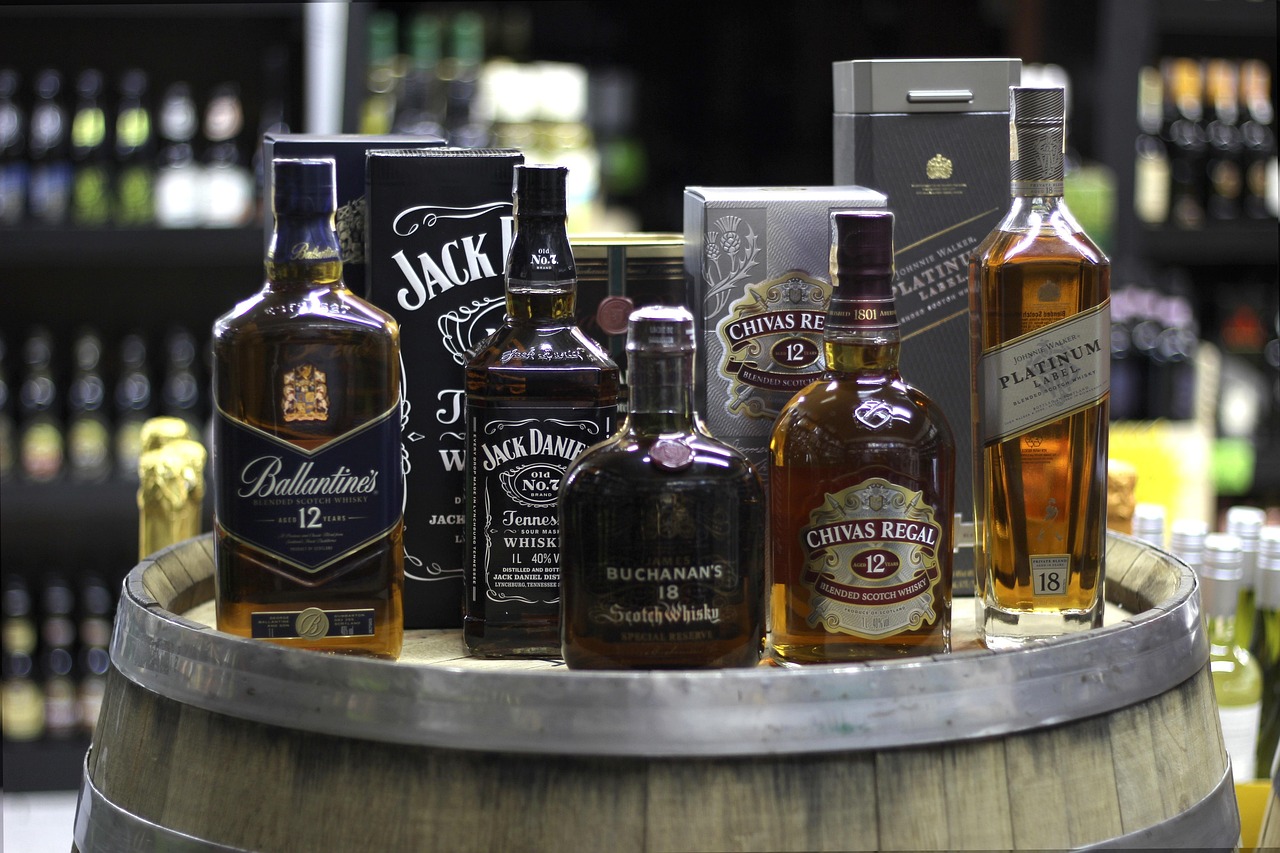
Should Indian government label health warnings on liquor bottles adding that liquor could lead to cancer.
US Surgeon General Dr. Vivek Murthy has issued a recent advisory stating that there seemed to be enough medical evidence to show that there was a direct link between alcohol consumption and increased cancer risk for at least seven types of cancer. He has suggested an updating of labels on liquor bottles warning consumers regarding cancer.
Alcohol consumption is the third leading preventable cause of cancer in the United States, after tobacco and obesity, increasing risk for at least seven types of cancer. It recommends the need to increase awareness to help minimize alcohol-related cancer cases and deaths. Alcohol is a well-established, preventable cause of cancer responsible for about 100,000 cases of cancer and 20,000 cancer deaths annually in the United States, it has pointed out.
The seven types of cancers which have direct links to alcohol are of the breast, colorectum, esophagus, liver, mouth , throat and voice box (larynx). More than 16 percent of total breast cancer cases are reported to be due alcohol consumption.
In the U.S., there are about 100,000 alcohol-related cancer cases and about 20,000 alcohol-related cancer deaths annually. In India too An Economic Times report estimated that 5% of cancer cases in India were linked to alcohol consumption. This is compared to 6% in China, 4% in Germany, 5% in France, 4% in the UK, 3% in the US, and 4% in Brazil.
According to WHO alcohol is a toxic, psychoactive, and dependence-producing substance and has been classified as a Group 1 carcinogen by the International Agency for Research on Cancer decades ago – this is the highest risk group, which also includes asbestos, radiation and tobacco.
Alcohol, it says,causes cancer through biological mechanisms as the compound breaks down in the body, which means that any beverage containing alcohol, regardless of its price and quality, poses a risk of developing cancer.
The risk of developing cancer increases substantially the more alcohol is consumed. However, latest available data indicate that half of all alcohol-attributable cancers in the WHO European Region are caused by “light” and “moderate” alcohol consumption – less than 1.5 litres of wine or less than 3.5 litres of beer or less than 450 millilitres of spirits per week.
This drinking pattern is responsible for the majority of alcohol-attributable breast cancers in women, with the highest burden observed in countries of the European Union (EU). In the EU, cancer is the leading cause of death – with a steadily increasing incidence rate – and the majority of all alcohol-attributable deaths are due to different types of cancers.
There is no “safe” level of alcohol consumption because there is no threshold at which the carcinogenic effects of alcohol manifest in the human body. There are also no scientific study to show that potential beneficial effects of light and moderate drinking on cardiovascular diseases and type 2 diabetes which outweigh the cancer risk.
According to WHO. “It doesn’t matter how much you drink – the risk to the drinker’s health starts from the first drop of any alcoholic beverage.” According to WHO ,globally, the WHO European Region has the highest alcohol consumption level and the highest proportion of drinkers in the population. Here, over 200 million people in the Region are at risk of developing alcohol-attributable cancer.
Indian liquor bottles already are mandated to prominently have warnings like “Consumption of alcohol is injurious to health”,”Be safe: Don’t drink and drive” . The Food Safety and Standards Authority of India (FSSAI) introduced these regulations in 2018 to control drunk driving and to follow the World Health Organization’s “drink healthy and drink less” guidelines.
The American Advisory suggesting cancer warning labels on liquor bottles needs a Congressional clearance. It notes that alcohol consumption is to blame for nearly one million preventable cancer cases in the U.S. over the last decade. About 20,000 people die every year from those alcohol-related cancer cases, according to his advisory.
Bottles of beer, wine and liquor already carry warning labels that say pregnant women should not drink and that alcohol consumption can impair someone’s ability to drive a car. Consuming alcohol raises the risk of developing at least seven types of cancer diseases, including liver, breast and throat cancer, research has found. The powerful liquor lobby spends nearly $30 million every year lobbying Congress.
The 2024 Cancer Progress Report by the American Association for Cancer Research (AACR) highlighted that alcohol is the third risk factor for cancer after obesity and cigarette smoking.
The report noted that 40% of all cancer cases are associated with “modifiable risk factors”, which means that these risk factors can be prevented very easily if we change our lifestyle. Alcohol consumption is prominent among them.
“Research indicates that those who reduce alcohol consumption or stop drinking altogether can decrease their risk of developing alcohol-related cancers by 8% and can reduce their risk of all cancer by 4% compared to those who sustain or increase their consumption of alcohol,” the report stated.
“Alcohol is a toxic, psychoactive, and dependence-producing substance,” as per WHO. Ethanol can cause cancer is through DNA damage.