
Can one sovereign country legally take over another?
Regardless of whether a country is powerful or weak, international law safeguards the sovereignty of all states. The right to determine a country’s political future rests with its people alone.
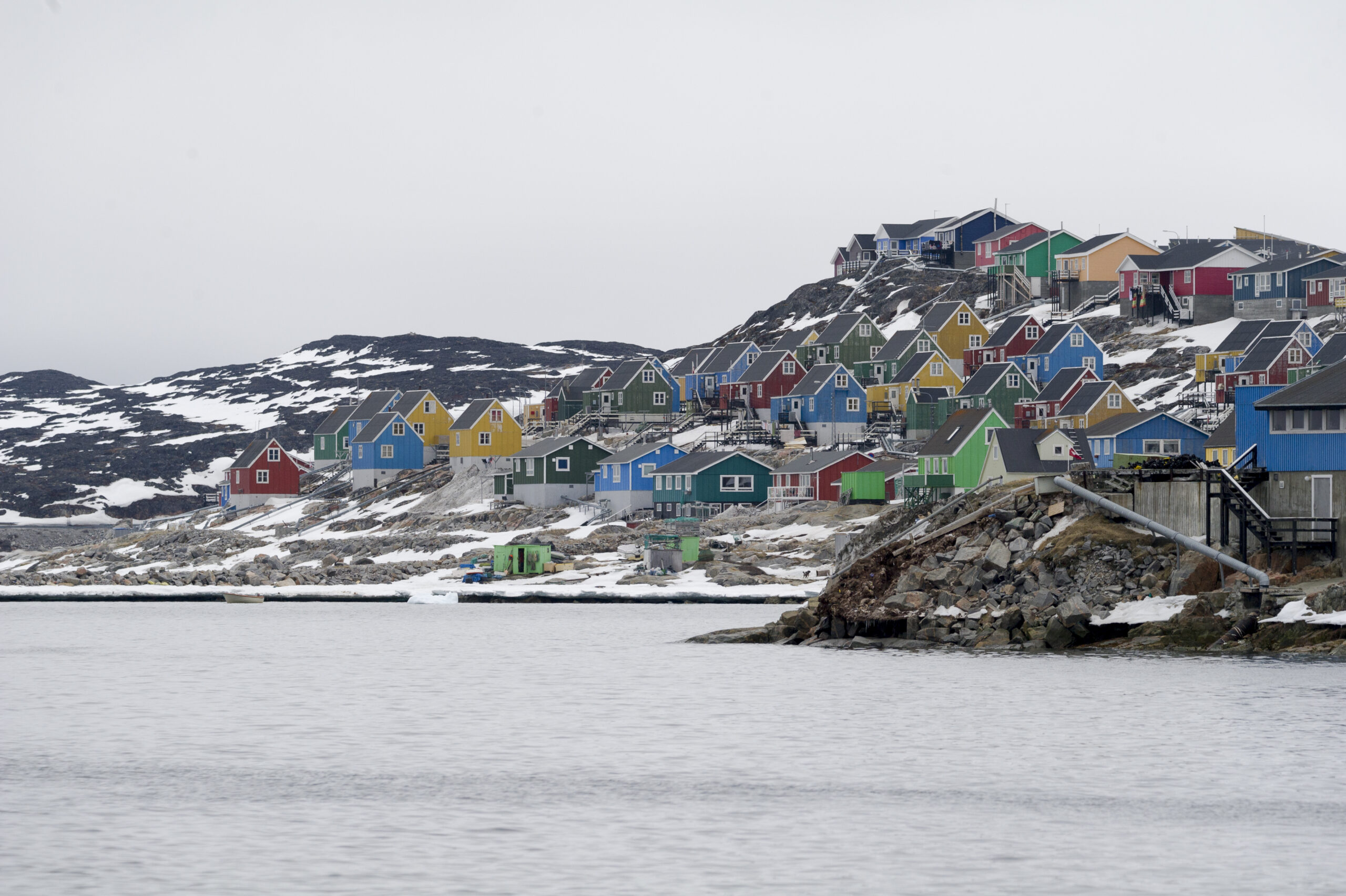
This question has gained renewed urgency following reports that the United States has shown interest in taking over Greenland, a vast Arctic island that is part of the Kingdom of Denmark.
The US Interest in Greenland
US President Donald Trump is reported to have appointed a special US envoy to Greenland with the stated objective of advancing American interests there, including the possibility of integrating Greenland into the United States. Trump has openly stated that Greenland is vital to US national security, citing strategic rather than mineral considerations.
Greenland’s location makes it geopolitically significant. It lies along the shortest missile trajectory between Russia and the United States and increased Russian and Chinese activity in the Arctic has heightened Washington’s security concerns. While Greenland is also rich in minerals such as lithium, nickel, graphite, zinc and copper, Trump has insisted that security—not resources—is the primary motivation.
Greenland’s Political Status and Position
Greenland is a semi-autonomous territory within the Kingdom of Denmark, exercising self-government in domestic affairs, while Denmark retains control over defence and foreign policy. Despite long-standing aspirations for greater independence from Denmark, Greenland has made it clear that it does not wish to align itself with the United States.
Opinion polls in Greenland show strong opposition to any US takeover. Greenland’s Prime Minister Jens-Frederik Nielsen has stated that while Greenland is open to cooperation with the United States and other countries, such engagement must be based on “mutual respect.”
“We decide our own future. Greenland belongs to Greenlanders and territorial integrity must be respected,” he said, adding that the appointment of a US special envoy changes nothing for Greenland.
What Does International Law Say?
International law, as enshrined in the United Nations Charter, strictly prohibits one country from acquiring another by force. Article 2(4) of the UN Charter forbids the threat or use of force against the territorial integrity or political independence of any state.
While territorial conquest was once an accepted practice, this changed fundamentally after World War II. Modern international law recognizes only two lawful ways in which territory may change hands:
- Through voluntary consent, such as a treaty or cession
- Through self-determination, where the people of a territory freely decide their political status.
Any forcible annexation, conquest, or coercive treaty is illegal and invalid under international law.
Legal and Diplomatic Consequences
If Greenland were to be taken over by the United States against the will of its people, such an action would lack legal validity. Other states would almost certainly refuse to recognize the new territorial arrangement. The matter could be raised before the UN Security Council, although the outcome might be influenced by the geopolitical clout of a superpower like the United States.
Nevertheless, blatant violations of sovereignty cannot be ignored indefinitely by the international community—even when committed by powerful nations.
International Support for Greenland and Denmark
Several European leaders have openly supported Denmark and Greenland. Ursula von der Leyen, President of the European Commission, has declared the EU’s “full solidarity with Denmark and the people of Greenland.” France and Sweden have also voiced strong support for Greenland’s sovereignty.
Swedish Foreign Minister Maria Malmer Stenergard stated that Sweden would “always stand guard over international law,” while Norwegian Foreign Minister Espen Barth Eide affirmed that Norway stands “100 per cent behind Denmark.”
Danish Prime Minister Mette Frederiksen and Greenland’s leadership have jointly stated that one country cannot annex another—not even in the name of international security.
Strategic Realities and NATO Considerations
Greenland’s strategic importance to NATO and the United States is undeniable. The US has maintained a military presence in Greenland since World War II and operates key bases and surveillance installations there. The United States reopened its consulate in Nuuk in 2020 and Vice-President JD Vance has reportedly visited the US base, encouraging closer ties.
Denmark, however, remains a crucial NATO ally that has consistently stood with the United States. Any move by Washington that antagonizes Denmark could strain long-standing transatlantic relations.
Sovereignty Cannot Be Ignored
Greenland has possessed the legal right to declare independence since 2009. Its future—whether as part of Denmark, an independent state, or in close cooperation with other countries—must be decided solely by its people.
Strategic interests and mineral wealth may tempt powerful nations, but international law is clear: sovereignty, territorial integrity and self-determination are non-negotiable principles. Any attempt to override them risks diplomatic isolation, legal illegitimacy and long-term geopolitical consequences.