
The humble “chai” available all over the country today may not have been possible without the corporate espionage indulged in by a Scot botanist Robert Fortune.
Even prior to the British rule in India began, sometime in 1848, Fortune was sent to China by the East India Company, to know the manufacturing process of tea as well as bring the best available tea seeds and plants to India.
Then the first tea plant was planted in Assam. India in the years to come became one of the strongest tea manufacturing country in the world. The East India Company was able to fulfil its main motive to compete with China as a tea trading nation of the world with the tea plantations in India.
Fortune disguised in mandarin dress of a rich Chinese merchant went inside a green tea factory in China to personally witness the methods used by the Chinese to manufacture tea. The planting of tea and collecting of green tea leaves is easy but to convert it into “tea” which we consume requires a lot of processing of the green tea leaves by drying, firing, rolling. Being a botanist, Fortune was tasked by the East India Company to steal quality raw stock of tea plants and seeds, to be planted and grown in India under his supervision.
Using the plant samples and seeds of China was started in the plantations in Assam. British India soon was able to compete with China in the international tea trade using India as a tea manufacturing hub. However, before Fortune brought tea seeds to India, Europeans were already addicted to drinking tea for many decades getting tea from China though at exorbitant rates. They did not have any control on its quality and price. All of which they wanted to change by growing and manufacturing tea in India.
While Chinese had been drinking tea for two over 2,000 years the earliest mention of tea in Britain is around 17th century. Interestingly some believe that tea originated in India and the leaves were carried to China by Bodhidharma, a Indian Buddhist monk. It was the British who introduced the tea drinking habit with purely commercial interests during the Raj period.
People used to drink tea without milk earlier but then people from Gujarat, Maharashtra, and Bengal, as they had easy access to good quality milk. North Indians are supposed add milk to tea, while South Indians add spices.
Traditionally tea is available in northern parts of India in earthen pots or ‘khullad’, which gives it a unique earthy taste. In India you find tea being consumed with slight variations, in Hyderabad you find the “Irani chai” in Darjeeling it is fragrant chai, Gujarat has its masala chai, and Kashmir its pink chai called kahwah is made by boiling green tea leaves with local saffron, cinnamon, cardamom and occasionally Kashmiri roses.
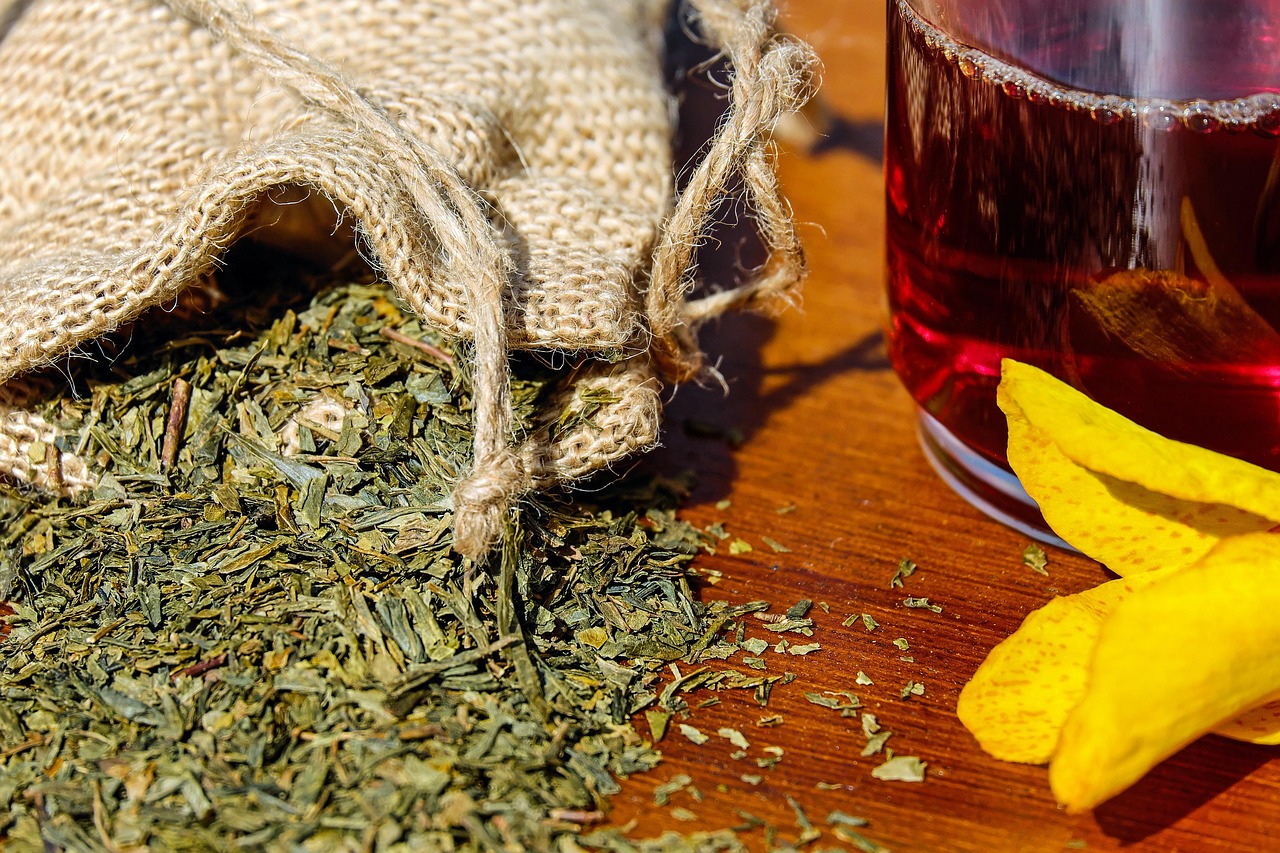
Dried tea leaves are known as “chai patti” is usually boiled in water and many time the drink is made with the addition of Ginger, cardamom, pepper, and cloves. It is also given as a medicinal supplement for cough and cold. Way back in September 18, 1917, an order was issued permitting the setting up of tea stalls across Hyderabad city to discourage alcohol consumption, and replace it with chai noshi or tea-drinking.
Today India is the 2nd largest producer of tea in the world. The most popular tea in Hyderabad is “Irani chai”. Actually Irani chai and Irani cafe culture was brought to Hyderabad by the Zoroastrian Iranians who came to India to expand their business.
A large number of them came to India during the colonial period; in the 18th century and are called Parsis . They first settled in Gujarat and Bombay, and thereafter spread to other parts of India.
Many of them came settled in Hyderabad and brought with them the Irani chai which initially they served in the Irani cafes. The process of making Irani chai is very long and time-taking. First, the special Irani chai powder is boiled in water with some spices like cardamom and saffron.
Milk is boiled separately on low flame for long hours to make it thick and creamy. After both broths have boiled for enough time, first the milk along with some khoya is added in white ceramic cups followed by the flavoured water. The Irani Chai is served in the city in a white ceramic tea cups on a saucer and many a times is cooled in the saucer and drank. Despite Café Coffee Day and Baristas becoming popular, the traditional Irani chai café continue to hold fort in the old part of the city.
Historically, coffee was the preferred drink in Hyderabad. To popularize tea consumption initially the tea companies used to serve tea to people free. Once they were addicted , people found that the tea companies were selling tea packets for a price.