
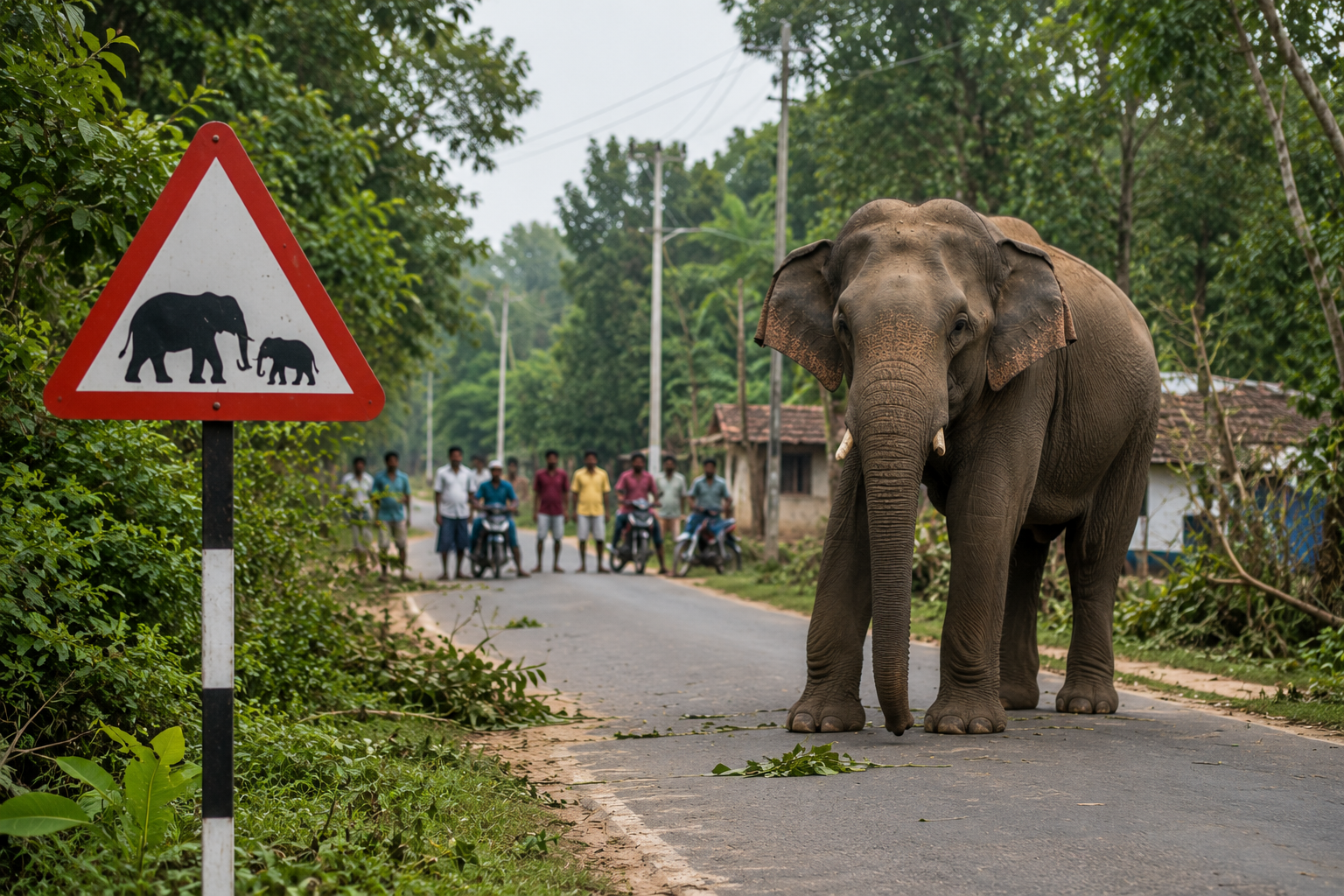
Human-wildlife conflict remains one of the most complex challenges facing India today. As humans, we often find it difficult to remain completely unbiased when judging conflicts between people and animals. While many of us naturally sympathize with animals, especially endangered species, it is equally important not to overlook the suffering and losses experienced by human communities.
Public discourse on wildlife conservation frequently focuses on protecting animals, but a balanced approach requires acknowledging the significant human cost of these encounters. In our efforts to safeguard wildlife, we must also ensure the safety, livelihoods and well-being of people who live alongside these animals.
Snake bites: India’s deadliest human-animal conflict
Few people realize that snake bites are among the leading causes of animal-related deaths in India. Although many venomous snake bites can be successfully treated with anti-venom, survival often depends on timely access to medical care. Unfortunately, many snake bite incidents occur in remote rural areas where anti-venom and emergency healthcare facilities are limited or unavailable.
As a result, snake bites continue to claim hundreds of lives every year, making them one of the most serious forms of human-animal conflict in the country.
Dog bites and rabies deaths
Dog bites are another major public health concern. Millions of dog bite incidents are reported annually across India. According to estimates, rabies causes between 18,000 and 20,000 deaths each year.
Dogs occupy a unique place in society because they have been human companions for centuries. This relationship has created a sharp divide in public opinion regarding how to address conflicts involving stray and community dogs. The issue continues to generate intense debate among citizens, animal welfare groups, policymakers and courts.
Rising encounters with elephants, tigers and leopards
India has witnessed a growing number of conflicts involving large wild animals such as elephants, tigers and leopards. These species are not only ecologically important but are also the focus of extensive conservation efforts worldwide.
Protecting these magnificent animals is essential because habitat loss, climate change and human encroachment continue to threaten their survival. Without proactive conservation measures, some of these species could face severe population declines in the future.
However, conservation efforts become complicated when wildlife poses a direct threat to human lives and livelihoods.
Recently, reports emerged of an elephant that reportedly strayed from the forests of Jharkhand into Odisha’s Mayurbhanj district, where it allegedly caused the deaths of nine people. Such incidents highlight the growing tension between wildlife conservation and public safety.
The human cost of wildlife attacks
While protecting endangered species remains important, no society can ignore situations where wild animals kill or injure people, destroy crops, or damage property.
States such as Maharashtra, Odisha, Karnataka, West Bengal and Uttarakhand regularly report incidents involving elephants, leopards, tigers, wild pigs and other animals. These encounters result in hundreds of injuries, significant crop losses, livestock deaths and human fatalities.
Elephants are among the leading causes of wildlife-related deaths in states like Karnataka, Odisha and West Bengal. Similarly, leopard and tiger attacks are most frequently reported from regions such as Uttarakhand and Maharashtra.
The role of wildlife authorities
Wildlife officials face immense challenges when responding to conflict situations. Their primary objective is usually to tranquilize and relocate animals whenever possible. However, in rare cases where an animal becomes uncontrollable and poses an immediate threat to human life, authorities may be forced to eliminate it.
The presence of wild animals within densely populated areas often creates widespread fear. Before rescue teams arrive, frightened residents sometimes surround and attack the animal in an attempt to protect themselves and their communities. Such situations often result in the animal being injured or killed, reflecting the desperation and fear experienced by local populations.
Compensation for human-wildlife conflict victims
Recognizing the impact of wildlife-related losses, governments provide compensation for crop damage, livestock depredation, property destruction, injuries and loss of human life.
In cases of death or permanent disability caused by wild animal attacks, ex-gratia assistance can reach up to ₹10 lakh. In July 2025, the government also introduced measures allowing compensation for wildlife-related losses to be provided through both State Disaster Response Funds and Forest Department funds, helping ensure quicker financial relief for affected families.
Finding a sustainable balance
Human-wildlife conflict is not simply a conservation issue; it is also a humanitarian challenge. Effective solutions require balancing ecological preservation with human safety. Better habitat management, early warning systems, community awareness programs, improved medical facilities and timely compensation mechanisms can help reduce conflict and foster coexistence.
India’s wildlife is a national treasure deserving protection. At the same time, the lives, livelihoods and security of people living in conflict-prone areas must remain an equally important priority. Achieving this balance is essential for creating a future where both humans and wildlife can thrive together.